
Privet removal
Privet removal, from seedlings to dense thickets.
Privet removal for lifestyle blocks, rural land and bush margins across Auckland, Northland, Waikato and Bay of Plenty. Our commercial 4×4 flail mowers and remote-controlled tracked mowing equipment cut and mulch suitable tree privet and Chinese privet growth, without spraying.
On this page
Know your weed
Tree privet and Chinese privet in New Zealand.
Tree privet (Ligustrum lucidum) and Chinese privet (Ligustrum sinense) were planted widely as hedges and shelter, and have since spread well beyond the garden. Tree privet is a National Pest Plant Accord species, and both are managed under regional pest management plans in parts of New Zealand, so the rules depend on your species and region.
Birds spread the dark berries into bush, banks and paddock edges, where privet forms dense thickets that shade out native seedlings and make the ground hard to walk or mow through.
Flowering season
Privet flowers in late spring and summer, and Auckland Council notes it may cause an allergic reaction in some people.
Spread by birds
Berries are carried off your property and back again, so privet keeps turning up in new corners.
Quick to take hold
Seedlings grow fast into thickets that crowd out everything underneath.
How we clear it
Privet removal in three steps.
01
Assess the job
We assess the vegetation, terrain, ground conditions and access to decide what’s suitable for our machinery. Large, mature privet trees need an appropriately qualified arborist, and we’ll tell you honestly if that’s the case.
02
Mulch it down
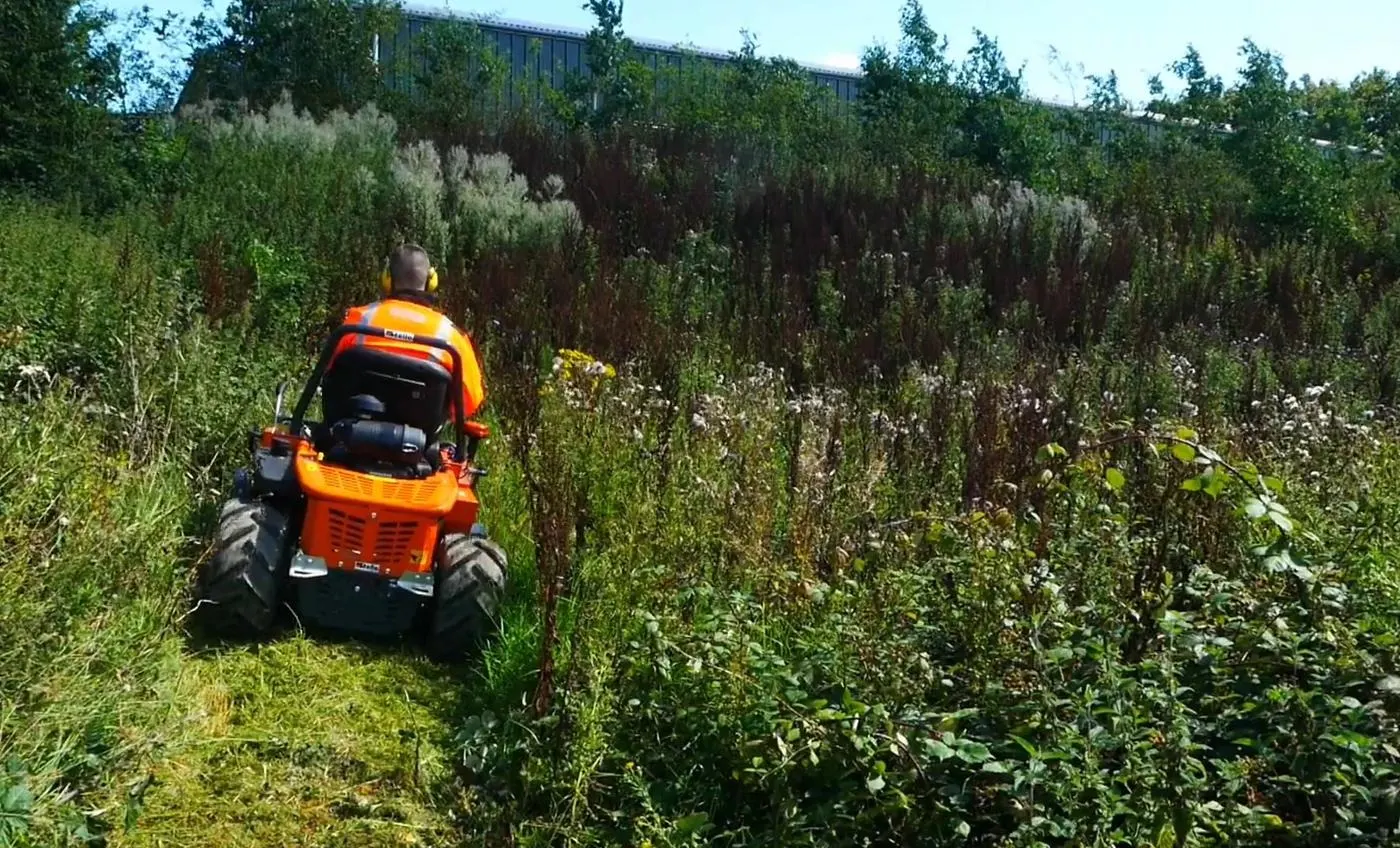
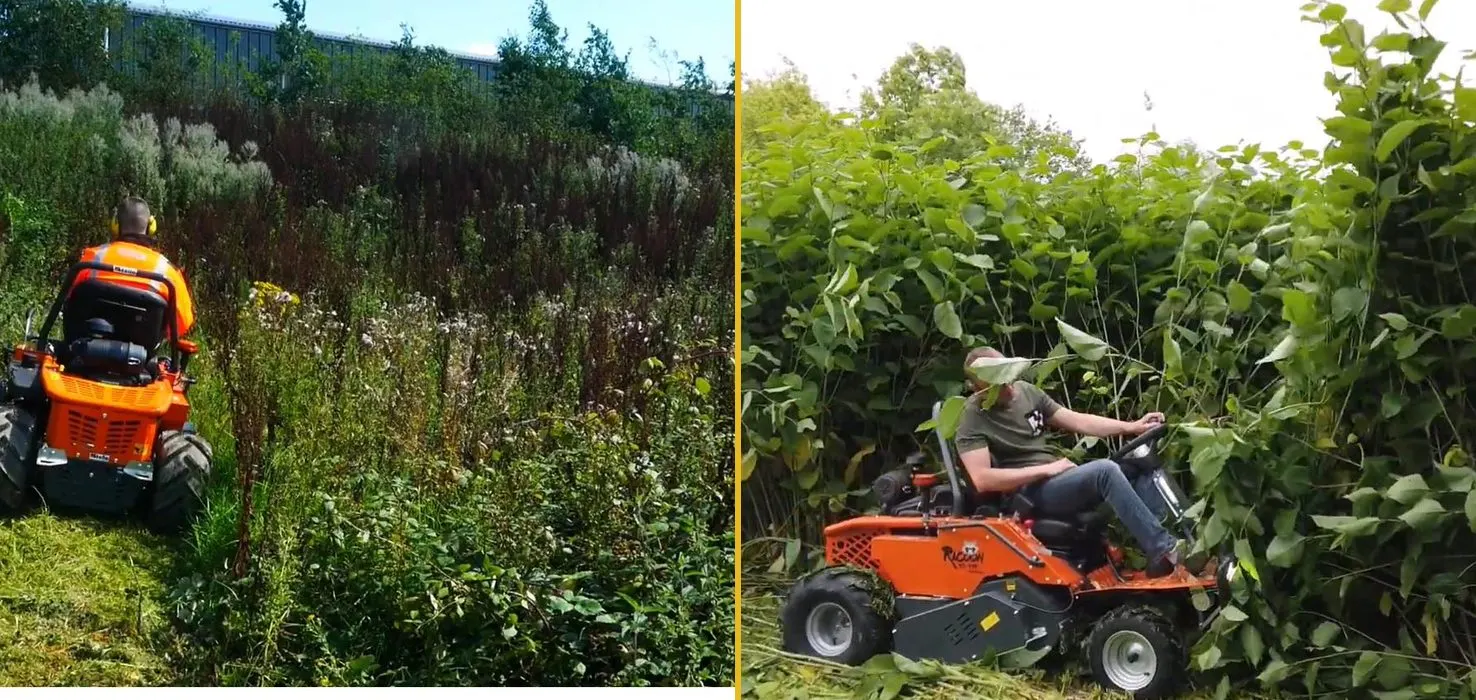
Our commercial 4×4 flail mowers, or remote-controlled tracked equipment on suitable banks, mechanically cut and mulch suitable privet growth in place, with no spraying and nothing to cart away.
03
Follow up
Privet can regrow after cutting and seedlings can come up from the soil, so follow-up mowing can help manage new growth.
Privet getting out of hand?
Send us the location, a few photos and roughly how big the area is, and tell us about any large trees. We’ll assess whether it suits our machinery and explain the next steps.
Timing
Why clear privet now?
Privet is at its worst when it flowers in late spring and summer, and every season it’s left, more berries go out to the birds and more seedlings come up. Clearing it before it flowers and fruits reduces flowering near your home and the berries that start the next generation of plants.
Pest-management requirements for privet vary by species and region, so check your regional council’s rules for your property; mechanical clearing on its own may not meet every requirement.
Real jobs
Overgrown land, before and after.
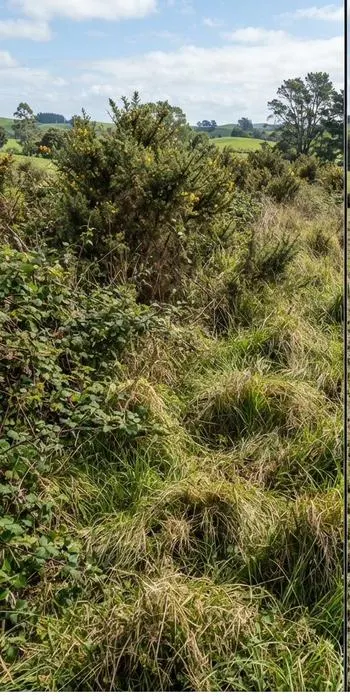
Before
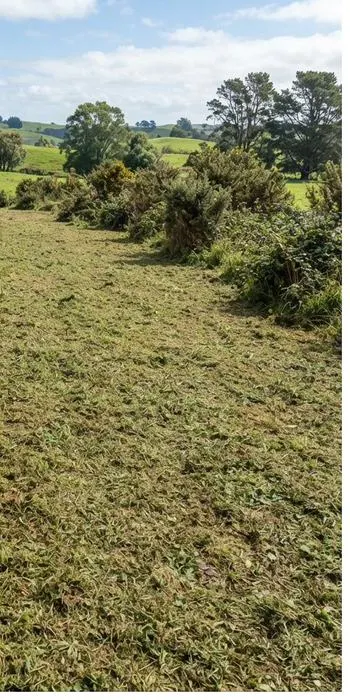
After
Overgrown rural block cleared
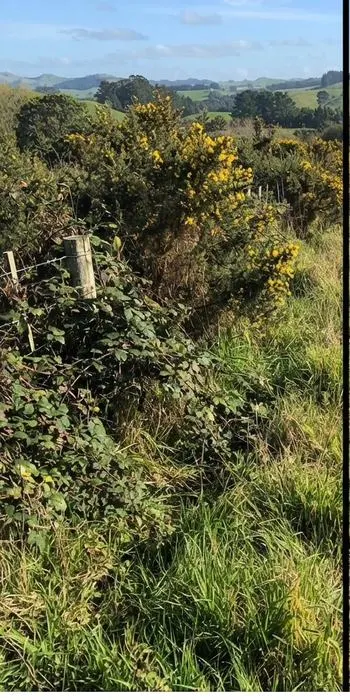
Before
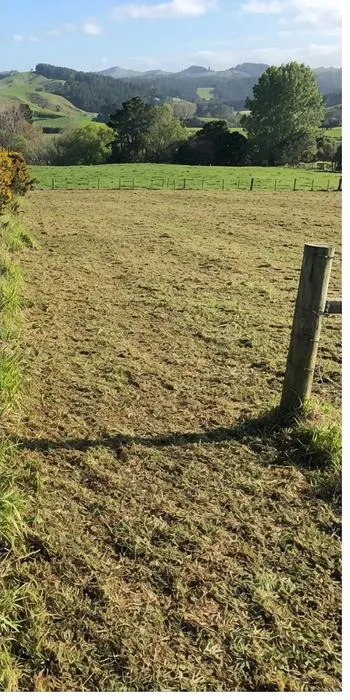
After
Overgrown vacant section cleared
Google reviews
What clients say about Overgrown Mowing
★★★★★
“What a difference! Overgrown Mowing took an area that was unattended for several years and turned it into a game changer. If you are looking to have dense weeds removed, strongly consider Overgrown Mowing. Their pricing is very reasonable and they are a highly professional, considerate and respectful team!”
★★★★★
“I was impressed with the quick response, fair price and the willingness to address concerns. We had a difficult to access area on the back half of the property. We’d definitely hire them again.”
Where we work
Privet removal across Auckland, Northland, Waikato and Bay of Plenty
We clear privet across Northland, Auckland, the Waikato and the Bay of Plenty, alongside woolly nightshade and gorse and blackberry, which often grow in the same overgrown corners. For larger overgrown blocks, see land clearing.
Common questions
Privet removal, answered.
How do you get rid of privet?
Cut or mulch the plants, then follow up on the regrowth and seedlings while they’re small. Our commercial 4×4 flail mowers and remote-controlled tracked equipment mechanically cut and mulch suitable privet growth in place, without spraying.
Can you remove large privet trees?
We assess each property to see what privet growth is suitable for our machinery. Large, mature privet trees need an appropriately qualified arborist to fell them safely; we don’t provide tree felling. Send us photos and we’ll let you know.
Can privet affect allergies?
Auckland Council notes privet may cause an allergic reaction in some people. It flowers in late spring and summer, so clearing it before then reduces flowering close to your home.
Will privet grow back after mulching?
Yes, privet can regrow after cutting. Cut stumps can reshoot and seedlings come up from seed in the soil, so follow-up mowing can help manage new growth.
How much does privet removal cost?
It depends on how dense the privet is, the plant size, the slope, the ground conditions and the access, so we quote per job rather than off a flat rate. Send us a few photos and roughly how big the area is, and we’ll give you a straight answer. See what affects the price.
Can you clear privet along bush edges and banks?
Often, yes. Privet often grows along bush margins, gullies and boundaries. Our remote-controlled tracked mowing equipment can work some steeper or hard-to-reach areas, and we plan around native plants you want to keep. We assess the slope, ground conditions and access first; very soft or boggy ground isn’t suitable for our machinery.
How should I prepare before you clear privet?
Clearly identify the area you want cleared and point out any hidden hazards, such as fencing wire, waratahs, holes or rubbish. Mark any trees, native vegetation or other plants you want protected, and tell us about any large established privet trees so we can advise whether an arborist is needed. Make sure there’s suitable access for our machinery and move livestock away from the work area. To get a quote, send us the property location, a few photos and the approximate area to be cleared.
Privet removal, available across all four regions.