
Guide
How to get rid of gorse without spraying.
Gorse is one of New Zealand’s most widespread pest plants, and plenty of landowners would rather not spray their way out of it. Here’s a chemical free weed control plan: how to get rid of gorse with mechanical clearing, and how to keep the regrowth under control.
On this page
Why it is so hard to get rid of gorse
Gorse grows fast, forms dense thorny thickets and produces huge numbers of seeds. The pods burst open in warm weather and throw seed onto the surrounding ground, where it can stay viable in the soil for many years. That seed bank is the real problem: clear the plants and a new crop of seedlings is ready to come up underneath.
Gorse is also a declared pest plant, and many regional councils have rules about controlling it, particularly along boundaries. It’s worth checking your regional council’s pest management plan for your property.
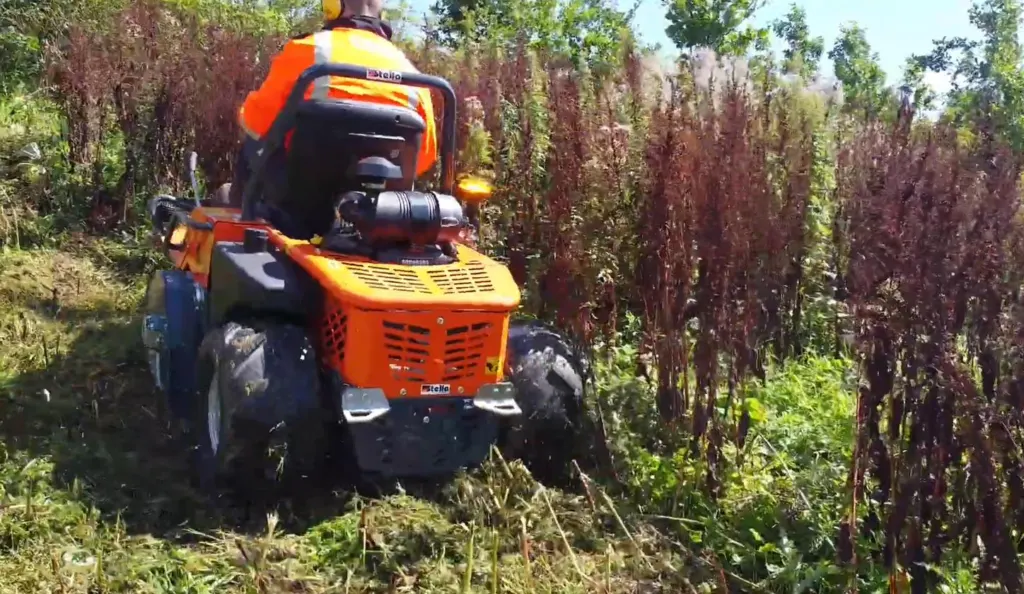
Step 1: Gorse mulching, done mechanically
Flail mulching is the fastest way to take back established gorse without chemicals, and it goes further than simple gorse cutting: the plants are chopped into mulch rather than left lying. Commercial flail mowing equipment cuts and mulches established gorse mechanically, leaving the ground covered rather than bare, with no burn piles or green waste to deal with. Our professional gorse removal service uses commercial 4×4 flail mowers for exactly this kind of mechanical clearing.
Mulching doesn’t pull out roots, so it’s the first step rather than the whole solution. What it does is turn a thicket you can’t walk through into open ground you can actually manage.
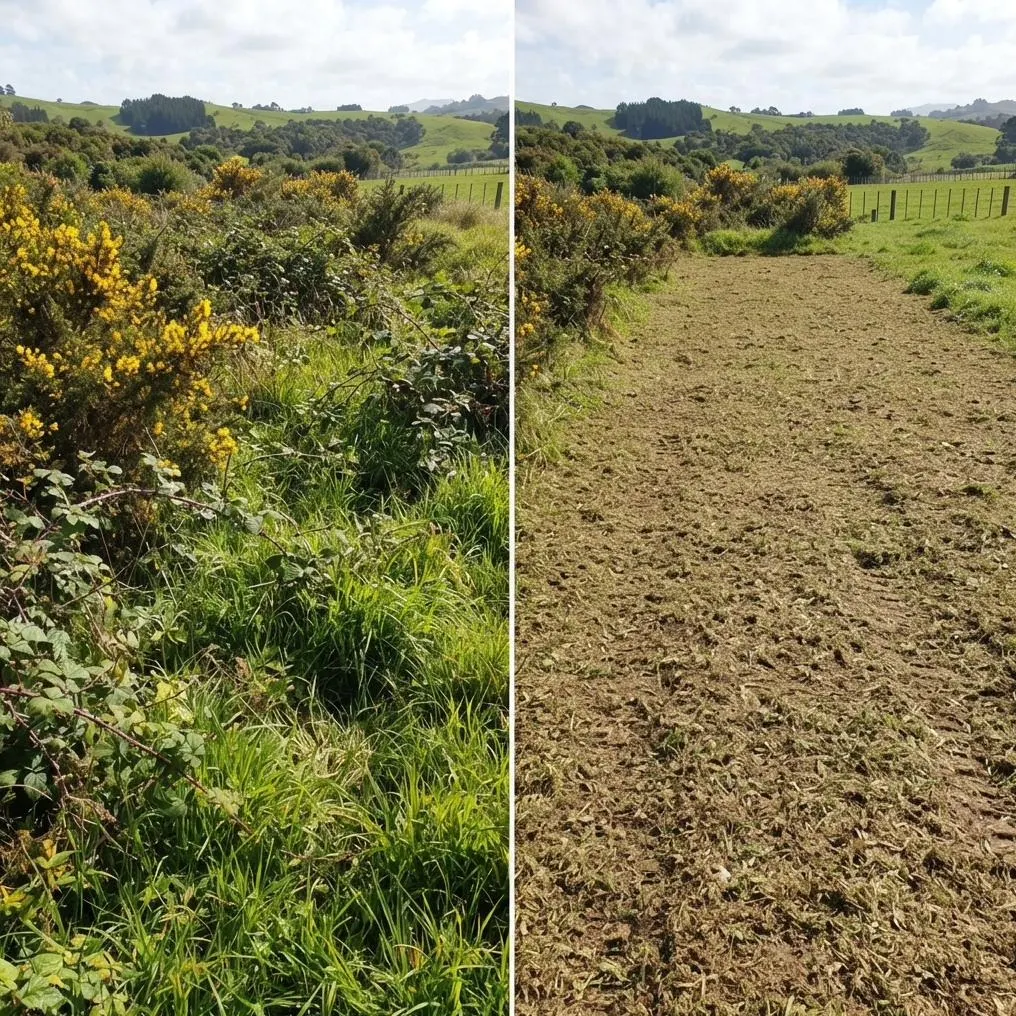
Step 2: Follow up on the regrowth
After clearing, expect seedlings and some regrowth. That’s normal whatever method you use. The key is dealing with it while it’s young and soft, before it flowers and sets seed again. A follow-up mow is far quicker than the first clear, and each round draws down the seed bank a little more.
Step 3: Get something else growing
Gorse loves bare, open, sunny ground. Taking that away is one of the best long-term controls:
- Oversow pasture straight after clearing, so grass covers the bare ground before gorse seedlings can.
- Plant it out. Shelter or native planting shades the ground over time, and gorse struggles in shade.
- Keep it mown until something else has taken hold.
Gorse control without spraying: what to expect
To get rid of gorse without spraying, treat it as a process rather than a single visit. The first mulch does the heavy lifting. Over the next growing season, seedlings come up from the seed bank and some stumps resprout, and a follow-up mow while they’re still soft stops them flowering. By the second or third year, with pasture or planting established, most properties only need an occasional check along boundaries and banks.
The payoff is land you can actually use, without a chemical programme running year after year. Good gorse control is less about one big clear and more about not letting it set seed again.
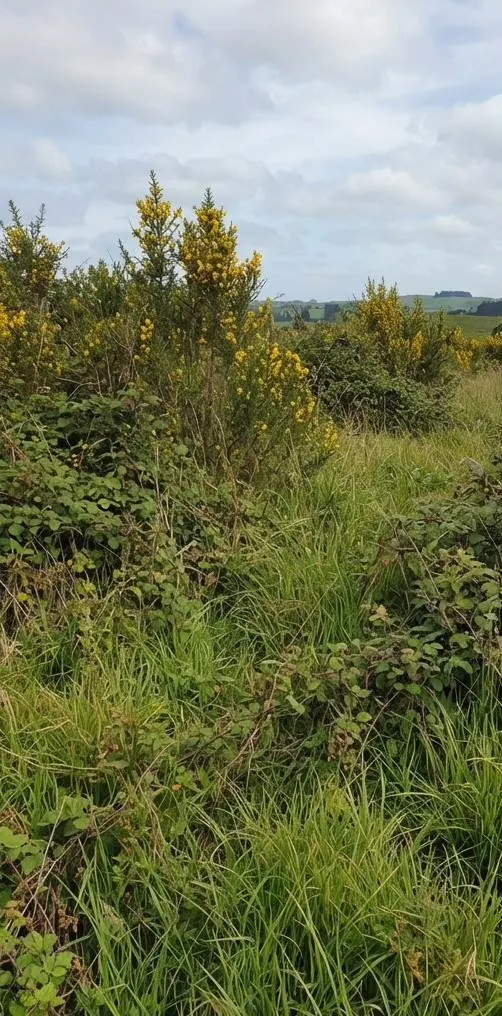
Before
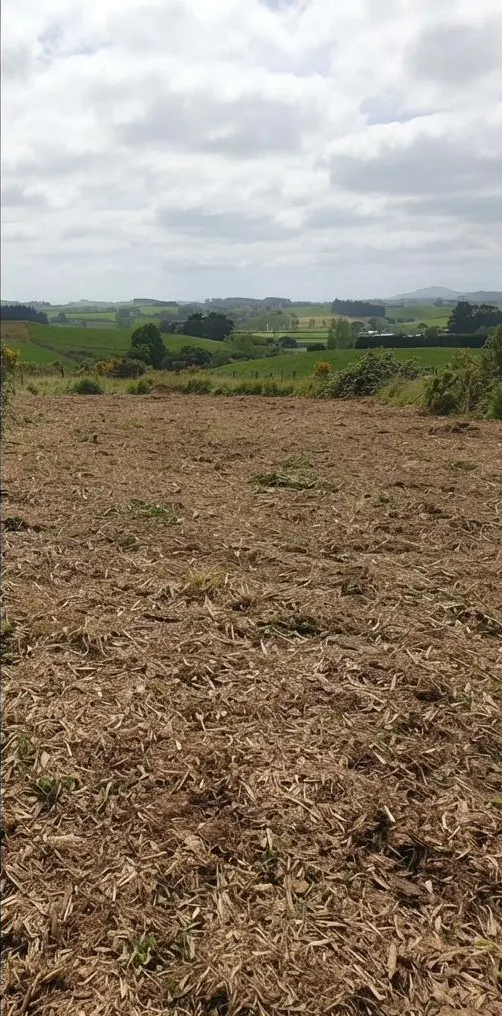
After
Gorse-covered paddock, before and after mulching
What about burning?
Burning is a traditional approach, but it carries a real fire risk, may need a permit depending on the fire season, and the heat can trigger buried gorse seed to germinate. For most lifestyle blocks and rural properties, mulching is the safer option for gorse clearing.
A realistic gorse control plan
- Mulch the established gorse to open the ground up.
- Come back for the regrowth while it’s young, before it flowers and sets seed.
- Get pasture or planting established so gorse has less room to return.
- Keep an eye on boundaries, tracks and banks, where it tends to creep back in.
If you need to get rid of gorse that has got away on you, our gorse removal and blackberry clearing service is built for exactly this. Send us a few photos and we’ll tell you what it’ll take.
Common questions
Gorse control, answered.
Will gorse grow back after mulching?
Some regrowth is normal, because gorse seed can stay in the soil for years. Mulched ground is much easier to keep on top of with follow-up visits than a mature thicket.
When is the best time to clear gorse?
Any time is better than leaving it. Clearing before it sets seed, then following up on the regrowth while it’s young, gives you the best long-term result.
Can you clear gorse on steep ground?
Often, yes. We operate commercial 4×4 flail mowers and remote-controlled tracked mowing equipment for suitable steep banks, gullies and hill faces, and we assess each slope’s ground conditions and access before starting. See steep slope mowing for how we approach banks and hill faces.
Do I have to control gorse on my property?
It depends on your region. Many regional councils have gorse rules, particularly along boundaries. Your regional council’s pest management plan sets out what applies, and our region pages link to each council’s pest plant information.
How do I keep gorse regrowth under control?
Regular follow-up mowing is the most practical way to manage regrowth after a clear. Mowing young gorse while it is still soft, before it flowers and sets seed, helps stop it re-establishing and keeps the area under control.
Does Roundup kill gorse?
Glyphosate-based herbicides are one of several products used on gorse, but results depend on the product, rate and timing, and the dead gorse stays standing afterwards. Check the label and your regional council guidance if you go that way. If you would rather not spray, mechanical mulching removes the standing vegetation without herbicide spraying.
When is the best time to spray gorse?
The effectiveness of herbicide treatment depends on the product, growing conditions and the stage of the gorse. Always follow the product label and any requirements that apply to your property. Overgrown Mowing doesn’t provide herbicide spraying; we offer mechanical vegetation clearing as a no-spray alternative for suitable properties.
Why is gorse such a problem in New Zealand?
Gorse was brought to New Zealand by European settlers in the 1800s as a hedging plant. With nothing here to hold it back, it spread across farmland and hill country, and its long-lived seed bank means it keeps coming back after clearing.
Do goats eat gorse?
Yes, goats can browse young gorse growth, although how effective they are depends on the amount and maturity of the gorse, stocking and management. They aren’t a guaranteed solution for established, dense gorse. Mechanical clearing can help reduce heavy growth, while ongoing management may be needed to control regrowth.